The Essential Overlanding Equipment Guide for Your First Expedition

Talsit Enterprises • 21 January 2026

Going on your first real overlanding adventure is exciting. It can also be intimidating. Strong overlanding equipment is the key to creating a positive experience. At Talsit Enterprises, we create overlanding gear that works, not just looks cool. To help you get started, we discuss our overlanding gear checklist for beginners and why each item is important.
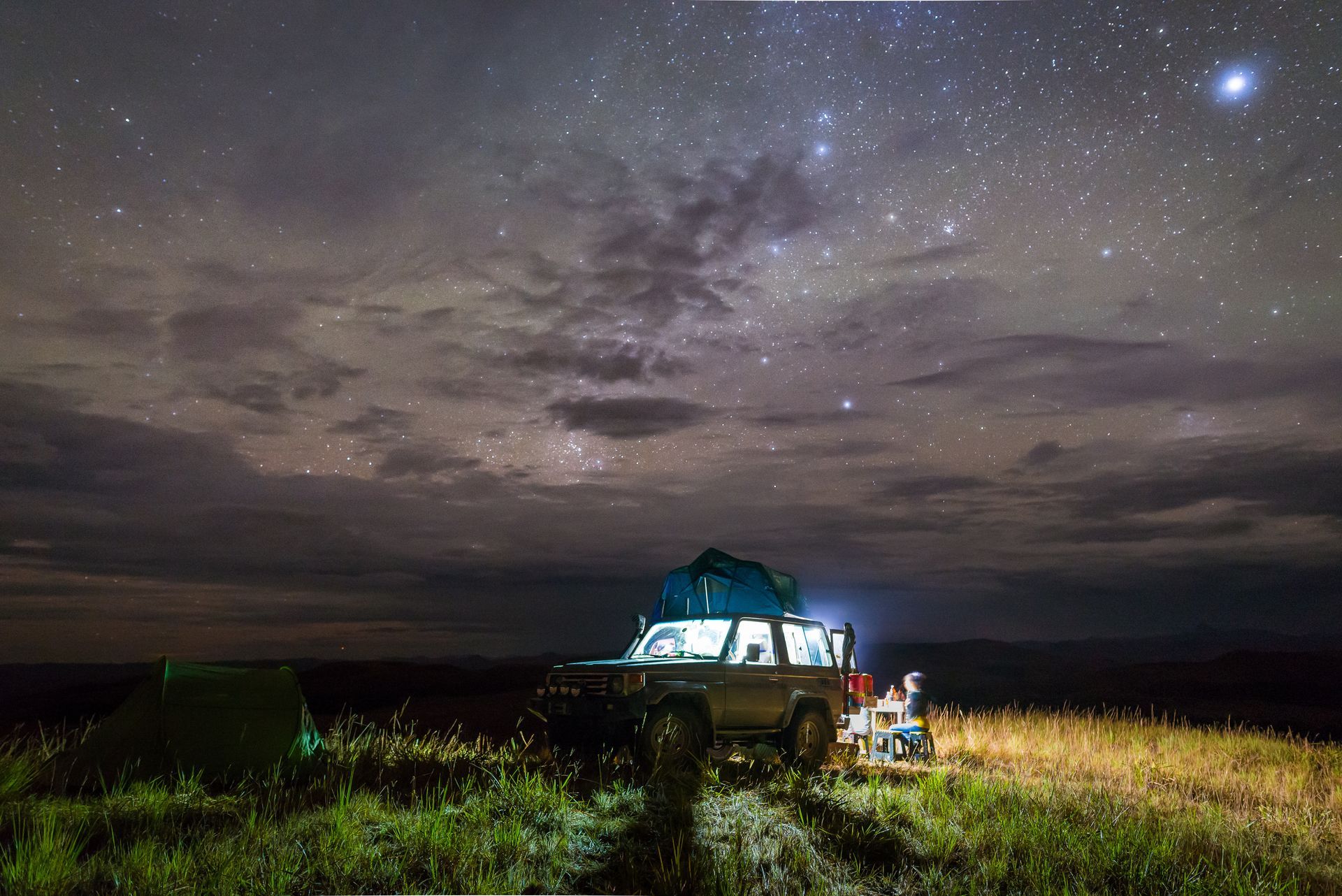
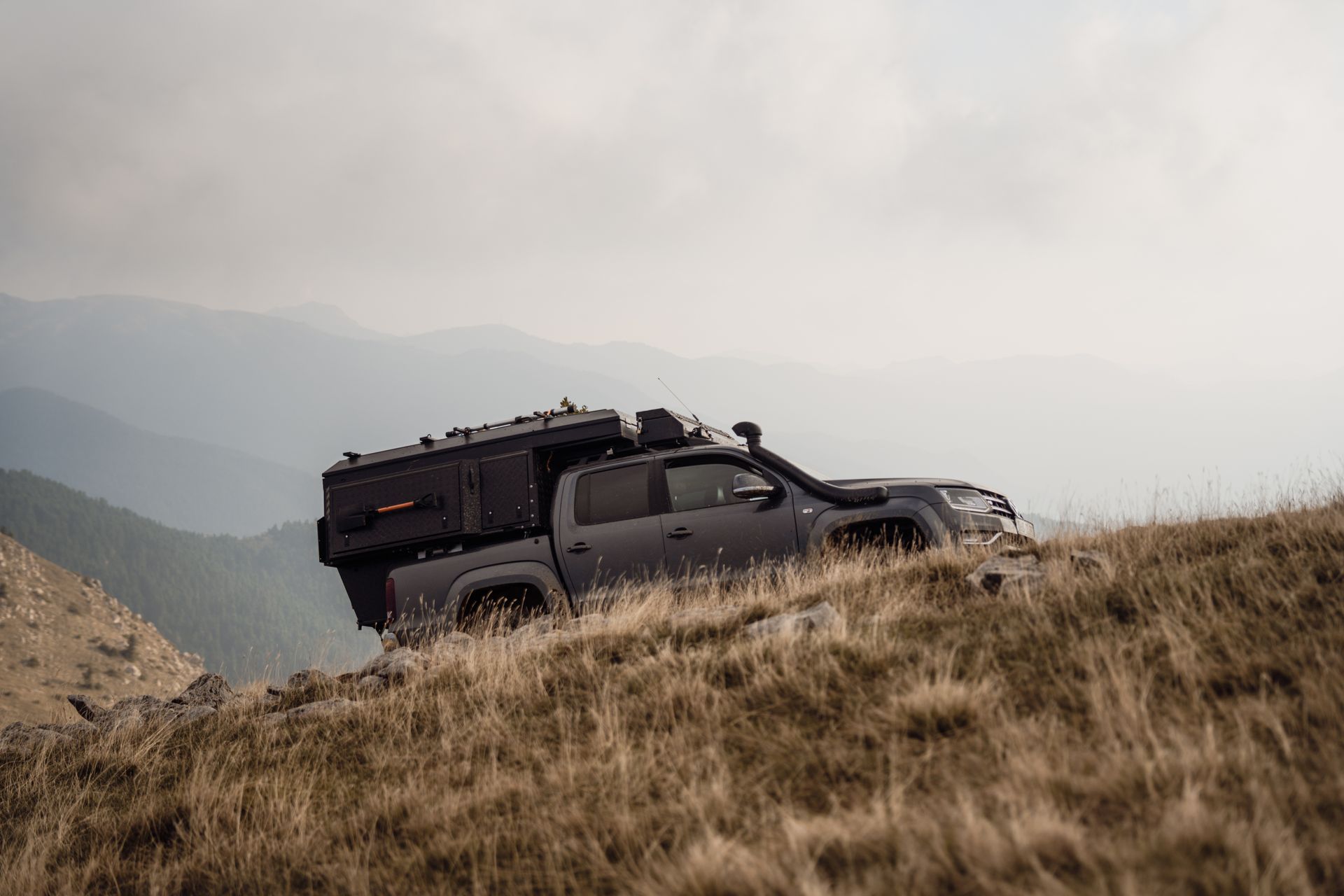
An overlanding rig under the night sky

Camp Kitchens

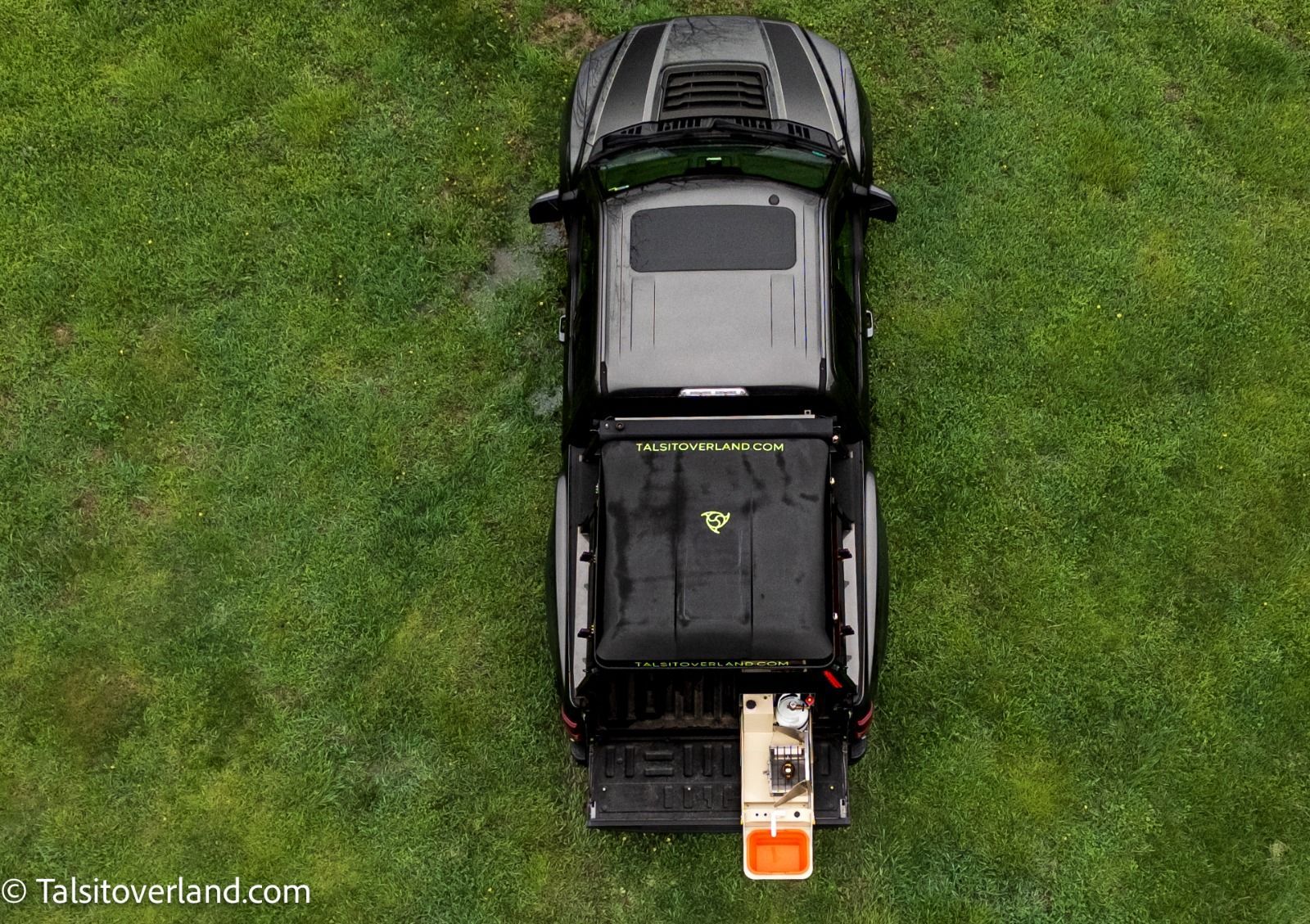
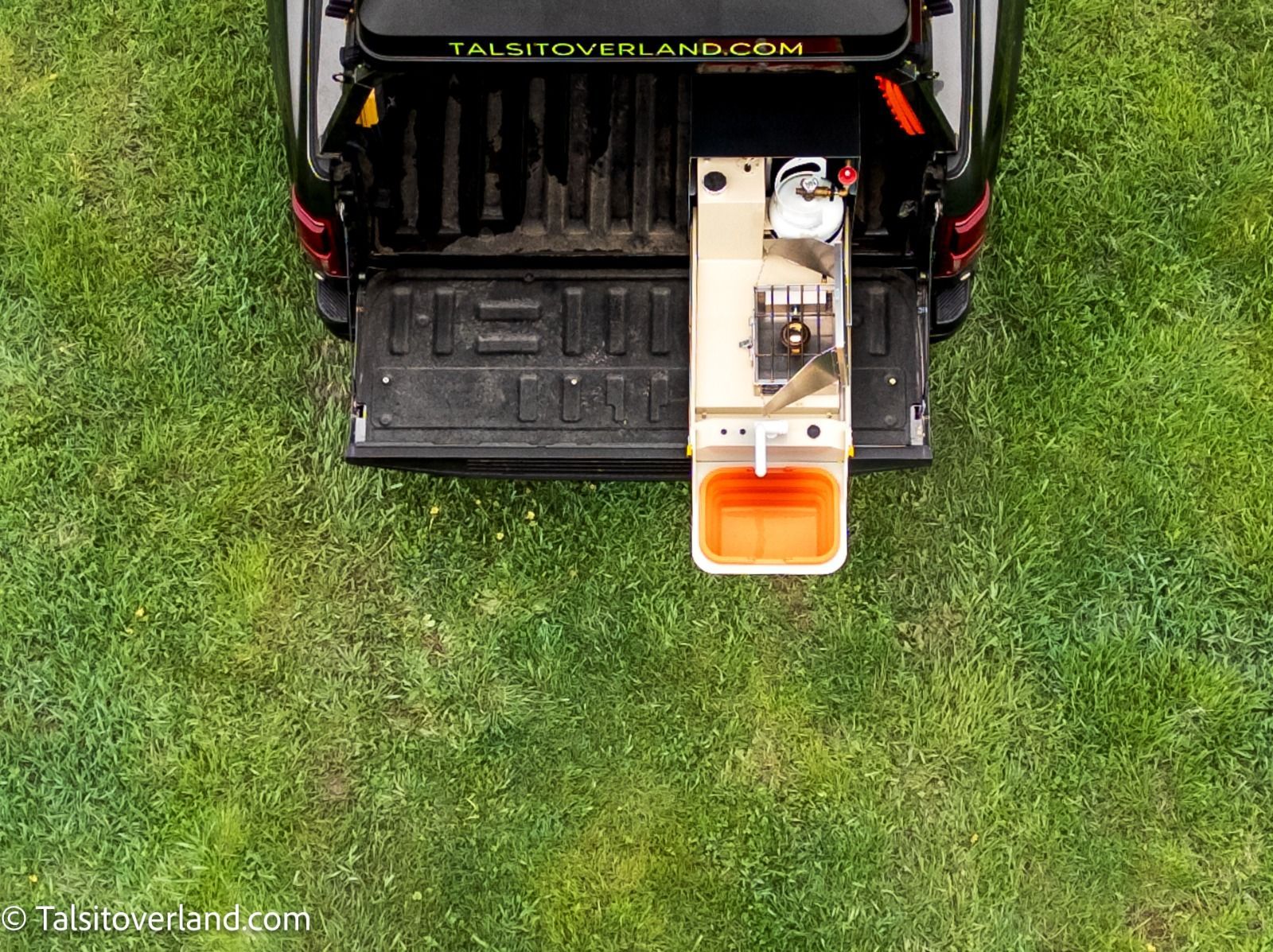
Camping on a traditional campground for a weekend typically means people will pack a cooler and be set. Overlanding trips require more consideration. Our retractable kitchens and pantries work efficiently, so you don't have to work harder. For accurate vehicle compatibility, we encourage our customers to measure their bed length, tailgate clearance, and payload. Our camp kitchen collection includes The Dover and The Minerva.

Here are the highlights about each: 

The Dover

  • Our largest retractable kitchen solution.
  • Measures at 18" x18" x60".
  • Features a 22" 2-burner Partner Steel overland stove.
  • Comes with two storage drawers plus an extra storage box.

The Minerva

  • Our compact kitchen solution is for those who need a smaller, efficient option.
  • Measures at 18" x18" x30".
  • Features a 9" single burner Partner Steel overland stove.
  • Comes with a 5-gallon fresh water tank and collapsible swing-over sink.

Bed Racks

Our bed racks are built based on our experience in Kentucky backroads. We know what breaks and what can withstand more adventurous trails. That's why our bed racks get the same treatment we'd want to carry rooftop tents, gear, fuel, and spare tires on our own adventures. We weld 6061 aluminum tubing because it has proven itself thousands of times on our trails. We also build our bedracks based on the exact sizing of our customers' vehicles.

We also offer the following add-ons:

  • Mounting hardware for specific trucks and universal options.
  • Storage add-ons with toolbox integration, water container mounts, spare tire brackets, and recovery gear attachments.
  • Lighting setup with LED light bar mounts featuring clean wiring management.

Electrics

Reliable power is essential once you are in the wilderness. A failure in power could mean no lighting, food, or even safety, depending on how far on the trail you are. That's why we use the highest quality materials and engineer-appropriate fuse and circuitry to avoid any failures when you're on your adventure.

We build power distribution units to manage the following power needs:

  • Refrigerators.
  • Freezers.
  • Lighting.
  • Charging accessories.
  • High-power lithium or deep-cycle secondary batteries.

Water Storage

Proper water storage is critical for overlanding trips. One spill or crack in a container can mean you're heading home early. Typical overlanding water storage includes fixed tanks, jerry cans, and onboard filtration for clean water. All of these must have secure mounting to prevent leaks and weight shifts. They must also have easy access to necessary hydration and easy cooking and cleanup. As with many overlanding gear items, vehicle compatibility will direct the type of water storage you need.

Proper water storage should do the following:

  • Not interfere with suspension or travel cargo space.
  • Fit neatly and stay out of the way of other gear.
  • Remain secure and easy to access.

Overlanding Equipment Near Augusta, Kentucky

When it comes to creating the best overlanding setup in 2026, you want people who have been through similar adventures. Our expertise comes through experience. This means we wouldn't sell anything we wouldn't want to take on our trips. Whether you need a single accessory or a fully loaded system, our team is here to help.

Ready to learn more? Contact us.

Talsit Enterprises is located in Augusta, Kentucky, and serves the tri-state area, including Lexington and Louisville, Kentucky; Indianapolis, Indiana; and Cincinnati and Columbus, Ohio.
Retractable Kitchen for overlanding and 4x4 Truck and Jeep
by Chad Rankin 22 May 2025
Why Do I Want a Retractable Kitchen
by Chad Rankin 20 May 2025
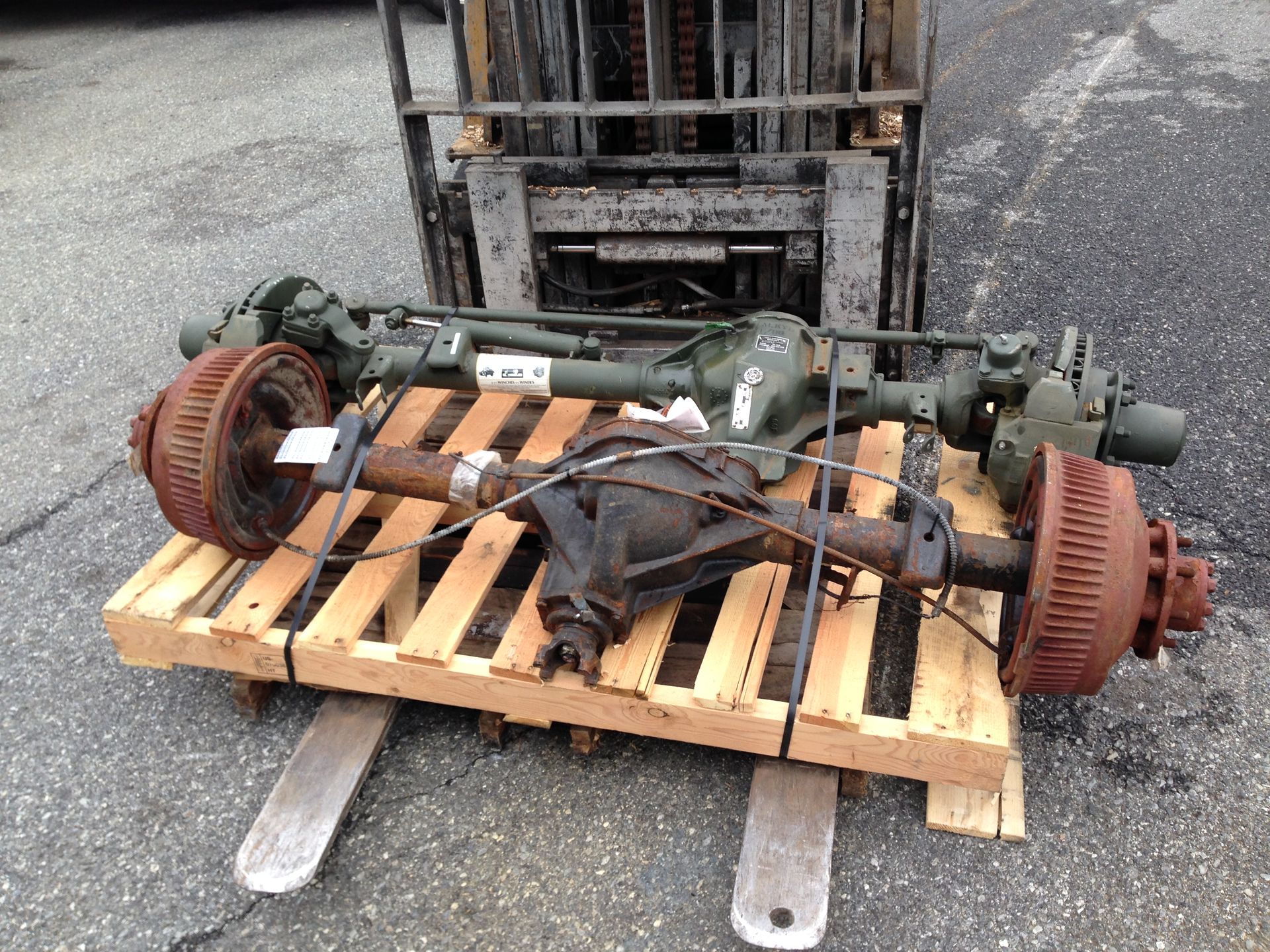
Parking Brake Solutions for the 14-Bolt Full Floating Axle
by Chad Rankin 15 May 2025
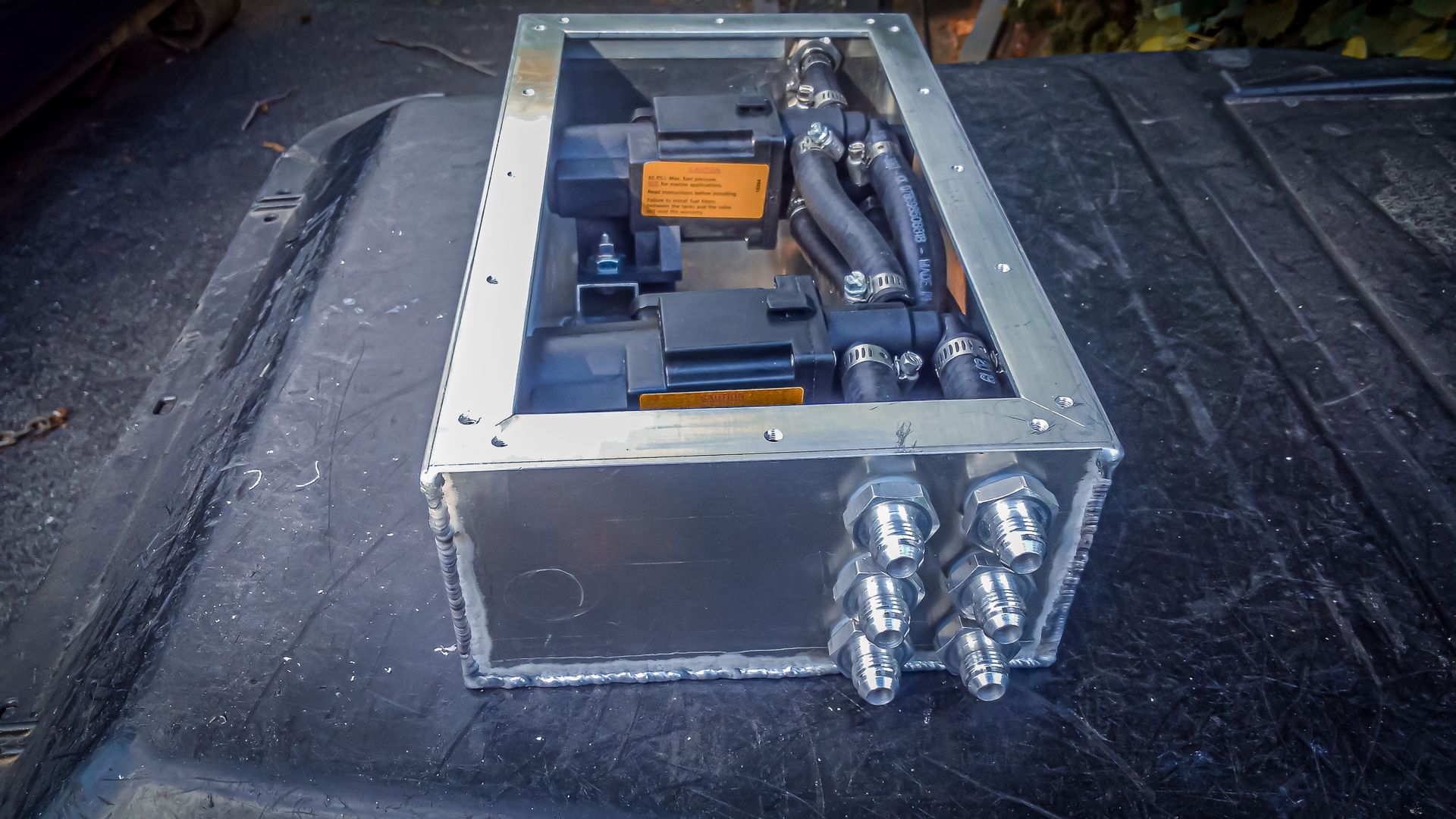
Overlanding Fuel Systems Fuel Volume If we think about overlanding in the most dramatic of ways, it could involve travel to extremely remote locations. Fuel stations are not common in remote locations, so having sufficient quantities of fuel to get to, explore, and return from your place of interest is critical. So, how to provision for adequate fuel? On Board Storage One solution to making sure you have enough fuel is to bring additional along with you in jerry cans or other fuel containers. There arise several complexities to this approach, including the safe storage of fuel—ideally, fuel should be stored outside of the vehicle. Pickup truck beds notwithstanding, many overlanding rigs are limited in where bulk stores of fuel can be placed. Storing multiple jerry cans on the roof rack is not ideal, given the dynamics of weight that high up and the impact to the vehicle center of gravity. On remote trips, particularly with gasoline engines, numerous jerry cans would be required. Adding Fuel Tanks Where space permits, increasing the size of the vehicle’s primary fuel tank is an attractive solution. Given the stock location of the tank, the vehicle dynamics would change little. Some vehicles, particularly trucks, offer as a factory option a larger tank. However, in many if not most cases, it is not possible to increase the size of the stock fuel tank. Another option is to add additional fuel tanks to the vehicle. This of course assumes there is real estate available to do so. The location of the tank would be as low as possible and therefore impact vehicle dynamics far less than when storing fuel on board. However, certain complexities arise with respect to the integration of multiple tanks such as the following. How does the additional tank connect to the vehicle fuel system? Does the tank transfer fuel to the main tank? Does the tank supply fuel to the engine? Is the fuel pump in-tank or external? Does the auxiliary tank contain a fuel level sensor? Fuel Risk Management A key element to successful remote overlanding is effective risk management. Adequate fuel provisioning is certainly one element of risk to manage. In addition, it is worthwhile to generate scenarios (failure modes) as to what could fail and leave the adventurer stranded. While modern fuel systems are certainly robust when new, a failed fuel pump could serve as a significant problem when remote. One solution is to assess the likelihood of fuel pump failure and replace it with a new one. In addition, brining along a spare pump could be money well spent. Understanding the process for changing the fuel pump is an additional risk management measure that one would be wise to consider. The process for changing a fuel pump is rather straightforward with some vehicles and difficult with others. In some cases, a nearly full fuel tank would need to be dropped in order to access the fuel pump. In addition to the pump, the risk presented by the fuel filter should be considered. A partially clogged or completely clogged filter could represent an unacceptable risk. Again, risk mitigants include changing an older filter prior to the trip, carrying a new filter on board, and an understanding of the procedure for changing the filter. Fuel lines and connectors are also a risk management consideration. Keeping some extra fuel line and any connectors that are known to fail on board are worthwhile risk mitigants. Shop Truck Fuel System Given that the shop truck was a ground-up build, we had a clean slate with which to start. We began with identifying the following initial design requirements. Fuel range of at least 500 miles loaded. Efficient change of the primary pump in field. Redundancy for in-tank fuel pump failure (multiple tanks). Integrated fuel level sensor across all fuel storage tanks. The fuel range is a function of the weight of the vehicle, fuel efficiency, travel conditions (i.e., 70 mph freeway or 55 mph back road). We settled on a 60 gallon on board capacity with the ability to carry up to an additional 24 gallons in fuel cans. Fuel System Design The LT4 engine in the truck uses its own fuel pump controller that works using pulse width modulation to supply the appropriate pressure and volume to the engine. Thus, controlling the primary pump was not a problem and amounted to connecting the wires from the LT4 fuel pump controller. The engine has an internal mechanical fuel pump that supplies the high pressures required for a direct injection fuel system. Each of the three fuel tanks contain an electric fuel pump in the tank. Each of the pumps supplies fuel to a fourth tank, which is a “fuel surge tank” that contains roughly a liter of fuel. Fuel surge tanks are commonly used in race cars that do not have a proper fuel cell to manage the effects of acceleration and cornering. In our case, the surge tank allows us to situate the primary pump up in the engine compartment where it can easily be serviced/replaced. The surge tank provides the additional benefit of guaranteeing fuel availability on severe inclines. The primary pump supplying fuel to the engine is a ‘dead end’ arrangement, where all fuel going to the engine is burned and none is returned to the surge tank. The exhibit below illustrates the fuel system in the shop truck.